Insulation Materials for Power Plants
Jan 08, 2026
Why Insulation Is Essential in Power Plants
Insulation plays a critical role in modern power plants by controlling heat transfer, maintaining stable operating temperatures, and protecting both equipment and personnel. Whether in coal-fired, gas-fired, nuclear, or renewable energy facilities, proper insulation helps improve energy efficiency, reduce operating costs, and extend the lifespan of critical components.
By minimizing heat loss and shielding systems from extreme temperatures, insulation contributes directly to safer operations, better process control, and lower greenhouse gas emissions.
How Thermal Insulation Works
Thermal insulation functions by reducing heat transfer through conduction, convection, and radiation. It traps heat where it is needed or prevents excessive heat from reaching sensitive areas. In power generation environments, this is especially important for high-temperature systems such as boilers, turbines, steam lines, and exhaust ducts.
Historically, asbestos was widely used due to its heat resistance, but health concerns have led to the industry-wide adoption of asbestos-free insulation materials. Today's solutions are safer, more efficient, and designed to meet strict environmental and safety standards.
Common Insulation Materials Used in Power Plants
A wide range of insulation materials is available to meet different temperature ranges and operating conditions:
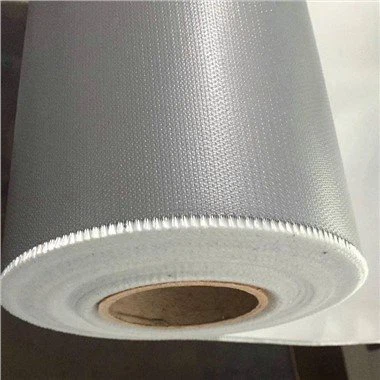
Fiberglass insulation: Known for excellent thermal stability, lightweight structure, and resistance to high temperatures. Commonly used in pipes, ducts, and equipment insulation.
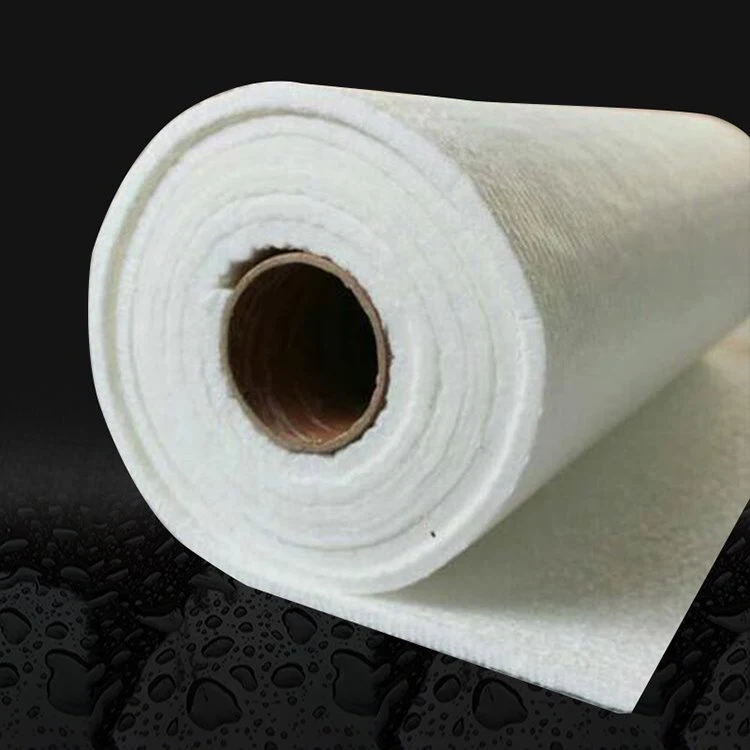
Mineral wool insulation: Offers strong fire resistance, sound absorption, and thermal performance, making it suitable for pipe and block insulation.
Calcium silicate insulation: Designed for extremely high-temperature applications and valued for its compressive strength and corrosion resistance.
Hydrophobic insulation blankets: Help resist moisture penetration and reduce corrosion under insulation (CUI).
Fire-protection insulation systems: Non-combustible materials used to enhance plant safety and meet fire regulations.
Key Applications of Insulation in Power Generation
High-Temperature Surface Protection
Insulation is applied to hot surfaces such as boilers, turbines, and heat exchangers to prevent heat loss and protect surrounding components. Materials like fiberglass fabrics, tapes, and blankets are commonly used due to their durability under extreme temperatures.
Pipe Insulation and Wrapping
Pipes carrying steam or hot fluids require insulation to maintain temperature stability and reduce energy loss. Pipe wrapping with fiberglass tapes or mineral wool helps protect against heat fluctuations, corrosion, and mechanical damage.
Industrial Lagging
Lagging involves insulating pipes, tanks, and vessels using insulation wraps and tapes. Fiberglass lagging cloth and high-temperature tapes are frequently used to seal joints, improve thermal efficiency, and enhance safety in power plant operations.
Additional Power Plant Applications
Insulation materials are also widely used for:
Thermal blankets for equipment protection
Engineered insulation pads for boilers and steam systems
Spray shields to protect workers from hot surfaces
Heat barriers and reflectors for sensitive components
High-temperature shields in auxiliary systems and maintenance areas
Benefits of Using the Right Insulation Materials
Selecting suitable insulation materials for power plants offers multiple advantages:
Improved energy efficiency and reduced heat loss
Enhanced safety for workers and equipment
Better temperature control and process stability
Lower maintenance costs and extended equipment life
Reduced environmental impact and emissions
Choosing the Right Insulation Solution
Each power plant has unique operating conditions, temperature ranges, and safety requirements. Evaluating insulation materials based on performance, durability, and compliance with industry standards ensures optimal results. Working with experienced insulation suppliers can help identify the most effective solutions for specific power generation applications.
Conclusion
Insulation materials are a fundamental component of efficient and safe power plant operations. From high-temperature fiberglass and mineral wool to advanced fire-protection systems, modern insulation solutions help power plants operate reliably while meeting energy efficiency and environmental goals. Choosing the right insulation strategy is an investment in performance, safety, and long-term sustainability.