Aerogel Felt for Removable Insulation Jackets: Benefits and Selection
Nov 05, 2026
Industrial valves, flanges, pumps and other irregular components often require regular inspection or maintenance. Conventional rigid insulation can be difficult to remove without damage, and rebuilding the insulation after every service operation increases labor time and material waste.
Removable insulation jackets provide a practical alternative. When aerogel felt is used as the insulating core, the jacket can deliver effective thermal control in a relatively thin, flexible and reusable design.
This article explains the benefits of aerogel felt for removable insulation jackets and the main factors to consider when selecting materials for industrial applications.
What Is a Removable Insulation Jacket?
A removable insulation jacket is a flexible insulation system manufactured to fit a specific piece of equipment. Unlike permanent insulation, the jacket can be opened, removed and reinstalled without destroying the insulation structure.
A typical removable jacket contains three main layers:
Inner liner: The fabric surface facing the hot or cold equipment
Insulation core: The material that limits heat transfer
Outer cover: The protective layer exposed to the operating environment
Fasteners such as straps, buckles, hook-and-loop closures or stainless-steel wire allow maintenance personnel to remove and reinstall the jacket.
These systems are commonly used on:
Valves and control valves
Flanges and pipe joints
Pumps and compressors
Heat exchangers
Turbines
Exhaust components
Steam traps
Expansion joints
Injection-molding machines
Process equipment requiring regular inspection
Why Use Aerogel Felt as the Insulation Core?
Aerogel felt combines a nanoporous silica aerogel structure with a flexible fiber reinforcement. Its low thermal conductivity allows it to provide useful thermal resistance with less thickness than many conventional flexible insulation materials.
Products such as aerogel thermal insulation felt can be cut into different shapes and incorporated into custom-made removable jackets.
Reduced Jacket Thickness
Space around valves, flanges and instruments is often limited. A thick jacket may interfere with nearby piping, valve handles, actuators or monitoring devices.
The low thermal conductivity of aerogel felt can help reduce the thickness required to meet a particular surface-temperature or heat-loss target. A thinner jacket is generally easier to handle and can fit more closely around complex equipment.
The final thickness must still be calculated according to:
Operating temperature
Ambient temperature
Equipment geometry
Required surface temperature
Acceptable heat loss
Wind conditions
Installation environment
Good Flexibility
Rigid insulation can crack or separate when repeatedly removed from irregular equipment. Aerogel felt is flexible and can follow the shape of elbows, valve bodies, flanges and other complex surfaces.
This flexibility also makes it easier to manufacture jackets with separate sections, folds and reinforced openings.
Lower Weight
Weight is an important consideration for large jackets and equipment installed at height. A compact aerogel-based design can be lighter and easier for maintenance teams to remove, carry and reinstall.
Lower jacket weight may also reduce the load placed on fasteners and supporting components.
Reusable Construction
A properly designed jacket can be removed many times for inspection or maintenance. Aerogel felt generally maintains its shape better than loose-fill insulation and does not need to be repacked after every removal.
Its actual service life depends on compression, handling, temperature exposure, moisture conditions and the quality of the jacket construction.
Hydrophobic Performance
Hydrophobic aerogel felt resists liquid-water absorption. This is useful in outdoor plants, humid environments and areas exposed to occasional splashing.
However, hydrophobicity does not make the entire jacket waterproof. Water may still enter through seams, fastener openings or damaged outer fabric. The complete jacket must therefore include appropriate weather protection and drainage details.
Performance During Thermal Cycling
Industrial equipment may pass repeatedly through startup, normal operation and shutdown. These temperature changes cause both the equipment and jacket materials to expand and contract.
Flexible aerogel felt can accommodate movement without the brittleness associated with some rigid insulation products. This makes it suitable for equipment that experiences frequent operating cycles, provided that the facing fabrics and fastening system are also correctly selected.
Main Benefits in Industrial Applications
Reduced Heat Loss
Uninsulated valves and flanges can release significant heat because of their irregular shapes and large exposed surfaces. A fitted aerogel jacket limits this heat transfer and supports more efficient operation of steam, thermal-oil and high-temperature process systems.
Improved Personnel Protection
Hot valves, flanges and exhaust components can create burn hazards. A removable insulation jacket helps lower the external surface temperature and provides a protective barrier between personnel and the equipment.
The jacket thickness should be selected according to the required touch temperature rather than simply using the same thickness for every application.
Easier Equipment Maintenance
Maintenance workers can open the fasteners and remove the jacket without cutting metal cladding or breaking rigid insulation. After the work is complete, the same jacket can be reinstalled.
This can reduce:
Maintenance downtime
Insulation replacement costs
Jobsite waste
Cleanup requirements
Exposure to loose insulation fibers
Noise Reduction
Some removable jackets can also help reduce equipment noise by combining aerogel felt with acoustic barrier materials. Aerogel felt alone should not automatically be treated as a complete acoustic solution, but it may contribute to a multilayer thermal and acoustic jacket design.
Condensation Control
Removable jackets can also be used on chilled-water and low-temperature equipment. Sufficient insulation helps keep the outer surface above the ambient dew point, reducing condensation.
Cold-service jackets require especially careful seam and vapor-retarder design. Openings around fasteners or pipe connections can allow humid air to enter and condense inside the jacket.
Suitable Operating Conditions
Aerogel felt can be used in removable jackets for hot, cold and dual-temperature applications, but the specific product grade must match the operating conditions.
High-Temperature Service
Typical applications include:
Steam valves and piping
Exhaust systems
Turbines
Boilers
Thermal-oil equipment
Industrial ovens
Process vessels
For high-temperature service, confirm the maximum continuous-use temperature of the aerogel felt, inner liner, thread and fastening components.
Low-Temperature Service
Possible applications include:
Chilled-water valves
Refrigeration equipment
Low-temperature process lines
Cryogenic components with an engineered jacket system
For low-temperature service, condensation control and vapor sealing are as important as thermal conductivity. The selected aerogel grade must also be qualified for the project's minimum operating temperature.
Outdoor Service
Outdoor jackets require an outer cover that can withstand rain, sunlight, wind and site contaminants. Water-shedding seams and suitable closures should be included in the design.
Aerogel felt's hydrophobic properties provide additional protection, but they do not replace a weather-resistant outer cover.
How to Select Aerogel Felt for Removable Jackets
1. Confirm the Service Temperature
Start with the minimum, maximum and normal operating temperatures. Do not select the insulation only according to a broad advertised temperature range.
Ask the supplier for:
Continuous-use temperature
Short-term peak temperature
Thermal conductivity at relevant temperatures
Evidence of performance after thermal cycling
Recommended applications and limitations
All jacket materials must be considered. A high-temperature aerogel core will not protect a jacket if the thread or fastening strap fails at a lower temperature.
2. Calculate the Required Thickness
The necessary insulation thickness depends on the objective of the jacket. A system designed mainly to reduce heat loss may require a different thickness from one intended to achieve a safe touch temperature.
The calculation should consider:
Equipment surface temperature
Ambient temperature
Equipment size and shape
Air movement
Jacket emissivity
Required external temperature
Acceptable heat flow
Compression during installation
Multiple layers of insulating aerogel felt can be used when greater thickness is required. Layer joints should be staggered to reduce direct heat-transfer paths.
3. Choose an Appropriate Density
A softer material may conform easily to irregular shapes, while a denser construction may offer better dimensional stability. Excessively dense or heavily compressed insulation does not necessarily provide better thermal performance.
The felt should be firm enough to remain evenly distributed inside the jacket but flexible enough to follow the equipment contour.
4. Evaluate Compression
Aerogel felt should not be compressed without control. Excessive compression can reduce the effective insulation thickness and create inconsistent surface temperatures.
The jacket pattern should provide a close fit without pulling the insulation too tightly against the equipment. Reinforcement may be required around straps and fasteners so that closing forces are not transferred unevenly to the insulation core.
5. Select the Inner Liner
The inner liner is exposed directly to the equipment surface. Its temperature resistance, chemical compatibility and abrasion resistance must suit the application.
Depending on the operating conditions, possible liner materials include:
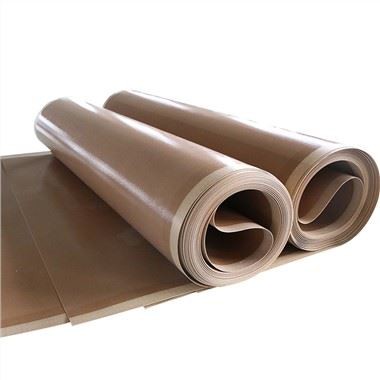
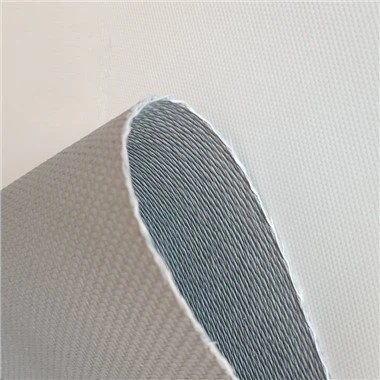
Silicone-coated fiberglass fabric
PTFE-coated fiberglass fabric
High-silica fabric
Stainless-steel mesh or foil
Other heat-resistant technical textiles
The liner should also help contain the insulation core and limit dust release during repeated handling.
6. Select the Outer Cover
The outer cover must withstand the surrounding environment. Selection factors include:
Indoor or outdoor installation
Moisture exposure
Oil and chemical splashes
UV exposure
Mechanical abrasion
Cleaning requirements
Fire-performance requirements
A weather-resistant coated fabric may be suitable for outdoor or washdown areas, while a lighter fabric can be used in clean indoor environments.
7. Review the Fastening System
Fasteners should hold the jacket securely without making removal difficult. Common options include:
Stainless-steel buckles and straps
Hook-and-loop closures
Lacing hooks and stainless-steel wire
D-rings
Snap fasteners
High-temperature equipment usually requires metallic fasteners or temperature-resistant strap materials. Closures should be positioned away from sharp edges, moving parts and direct leakage paths.
8. Consider Equipment Access
A jacket should not block components that operators need to reach. The design may require openings or removable sections for:
Valve handles
Actuators
Pressure gauges
Inspection ports
Drain points
Sensors and instrument lines
Nameplates
These openings should be reinforced and designed to minimize insulation gaps.
Jacket Construction Details That Affect Performance
Close Fit
Large air gaps between the equipment and insulation can cause uneven performance. The jacket should follow the equipment contour while still allowing easy removal.
Overlapping Seams
Overlaps help limit heat leakage through jacket joints. They are especially important around flanges, bonnet areas and connections between separate jacket sections.
Reinforced Edges
Repeated removal can damage unreinforced edges and fastener points. Additional fabric layers or protective binding can improve durability.
Stitched Compartments
Large jackets may require internal compartments to stop the aerogel felt from moving or folding. The stitching pattern should hold the insulation in place without creating excessive thermal bridges.
Drainage
Outdoor and washdown jackets should not trap water. The design may include water-shedding overlaps, protected seams or drainage openings at suitable low points.
Identification
Each jacket can be labeled with its equipment number, installation position and orientation. This prevents confusion when several similar jackets are removed during maintenance.
Aerogel Felt vs Conventional Jacket Insulation
| Selection factor | Aerogel felt | Conventional flexible insulation |
|---|---|---|
| Thermal performance per thickness | Generally high | Varies by material |
| Required jacket thickness | Often lower | Often higher |
| Flexibility around complex shapes | Good | Generally good |
| Jacket weight | Can be reduced | May increase with thickness |
| Hydrophobic options | Available | Depends on material |
| Initial material cost | Usually higher | Often lower |
| Space-limited installations | Well suited | May be difficult |
| Repeated removal | Suitable with proper construction | Depends on resilience |
| Handling requirements | Dust control may be needed | Material-dependent |
Aerogel felt is not automatically the most economical choice for every jacket. Conventional insulation may remain suitable where space is available, operating temperatures are moderate and jackets are rarely removed.
Aerogel becomes particularly valuable when thickness, weight, complex geometry or repeated maintenance creates problems for traditional materials.
Common Selection and Installation Mistakes
The performance of a removable jacket can be reduced by seemingly small design errors. Common problems include:
Selecting insulation from room-temperature data only
Ignoring the temperature limits of thread and fasteners
Using insufficient thickness around valve bonnets
Compressing the aerogel felt excessively
Leaving open gaps at jacket joints
Blocking valve handles or inspection points
Using an indoor outer fabric outdoors
Failing to provide drainage
Reinstalling the jacket in the wrong position
Installing a wet or damaged jacket
Assuming hydrophobic insulation makes vapor sealing unnecessary
A trial fitting before final production is useful for complex or high-value equipment.
Information to Provide When Requesting a Quotation
To obtain an accurate recommendation, buyers should give the supplier as much project information as possible:
Equipment type
Drawings or site measurements
Operating and peak temperatures
Indoor or outdoor location
Required external surface temperature
Insulation or energy-saving target
Exposure to water, oil or chemicals
Fire-performance requirements
Frequency of removal
Preferred fastening method
Number of jackets required
Photographs can help clarify the equipment shape, but dimensional drawings are generally needed for precise jacket fabrication.
Frequently Asked Questions
Can aerogel felt jackets be reused?
Yes. A properly designed jacket can be removed and reinstalled for maintenance. Its service life depends on handling, operating temperature, compression, contamination and the condition of the outer fabric and fasteners.
Is aerogel felt suitable for valve insulation?
Yes. Its flexibility and thin profile make it useful for valves, flanges and irregular equipment. The jacket should be custom-fitted to reduce gaps while maintaining access to operating components.
How thick should an aerogel insulation jacket be?
There is no universal thickness. It should be calculated according to equipment temperature, ambient conditions, required surface temperature and heat-loss target.
Can the jacket be used outdoors?
Yes, provided that it includes a weather-resistant outer cover, protected seams, durable fasteners and suitable drainage. Hydrophobic aerogel felt alone does not make the jacket weatherproof.
Does aerogel felt create dust during handling?
Some aerogel materials can release a small amount of dust during cutting or repeated handling. The felt should be fully enclosed inside the jacket, and appropriate protective measures should be used during fabrication.
Conclusion
Aerogel felt is a practical insulation core for removable jackets used on valves, flanges, pumps, turbines and other serviceable industrial equipment. Its low thermal conductivity, flexibility, limited thickness and hydrophobic performance can help reduce heat loss, improve personnel protection and simplify maintenance.
The final result depends on more than the aerogel itself. Insulation thickness, facing fabrics, stitching, overlaps, fasteners and access details must all be selected as part of one complete jacket system.
For applications with limited space, complex equipment geometry or frequent maintenance, a properly designed aerogel felt insulation jacket can provide a durable and reusable alternative to permanent rigid insulation.