Application of glass wool in construction
Mar 08, 2022
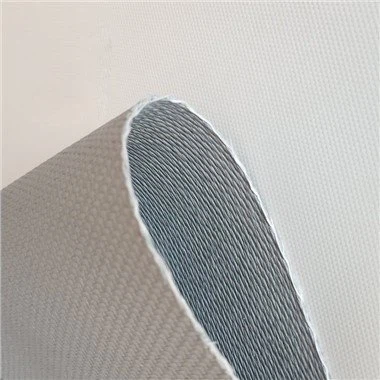
When centrifugal glass wool is used in construction, the surface is often attached with a certain sound-transmitting finish, such as plastic film less than 0.5mm, metal mesh, window screen, fireproof cloth, glass fiber cloth, etc., which can basically maintain the original sound absorption characteristics. Centrifugal glass wool has excellent properties such as fire prevention, heat preservation, and easy cutting. It is one of the most commonly used materials for building sound absorption. However, since the surface of centrifugal glass wool is not decorative, and there will be fibers scattered, it must be made into various sound-absorbing components for concealed use. The most commonly used and cheapest structure is the ceiling of perforated gypsum board or the wall of perforated board filled with centrifugal glass wool. When the perforation rate is greater than 20%, the sound absorption performance of centrifugal glass wool can basically be fully exerted. . In order to prevent the glass wool fiber from spilling, it is necessary to attach a layer of sound-transmitting fabric such as non-woven fabric and mulberry paper behind the perforated plate, or use glass cloth, plastic film, etc. to wrap the glass wool. Panels similar to perforated gypsum board include perforated metal panels (such as aluminum panels), perforated wood panels, perforated fiber cement panels, and perforated mineral wool panels.
After the glass wool board is processed, it can be made into sound-absorbing ceiling panels or sound-absorbing wall panels. Generally, the surrounding of 80-120kg/m3 glass wool board is cured with glue and then covered with fireproof sound-transmitting fabric to form a sound-absorbing wallboard that is both beautiful and easy to install. Common sizes are 1.2m×1.2m, 1.2m×0.6m, 0.6m×0.6m, thickness 2.5cm or 5cm. There are also sound-absorbing ceiling panels formed by directly spraying sound-transmitting decorative materials on the surface of 110Kg/m3 glass wool. Whether it is a glass wool sound-absorbing wall panel or a sound-absorbing ceiling panel, it is necessary to use glass wool with a high bulk density and undergo a certain strengthening treatment to prevent the board from being deformed or too soft. This type of building material not only has good decorative properties but also retains the good sound absorption properties of centrifugal glass wool, and the noise reduction coefficient NRC can generally reach more than 0.85.
In large spaces such as gymnasiums and workshops, in order to absorb sound and reduce noise, sound absorbing bodies with centrifugal glass wool as the main sound absorbing material are often used. The sound absorber can be made into plate, column, cone or other special-shaped body according to the requirements. The interior of the sound absorber is filled with centrifugal glass wool, and the surface is wrapped with a sound-transmitting surface layer. Since the sound absorber has multiple surfaces for sound absorption, the sound absorption efficiency is high.
In road sound insulation barriers, in order to prevent noise reflection, it is necessary to take sound absorption measures on the side facing the vehicle. Centrifugal glass wool is often used as a filling material, and the surface layer is a barrier board with a perforated metal plate. In order to prevent glass wool from absorbing water and moisture outdoors, it is sometimes wrapped with PVC or plastic film.