Best Insulation Solutions for Oil & Gas Pipelines
Mar 02, 2026
Oil and gas pipelines operate under demanding conditions, including high temperatures, low ambient temperatures, moisture exposure, and mechanical stress. Proper insulation plays a critical role in maintaining process temperature, improving energy efficiency, preventing corrosion, and ensuring operational safety.
This article explains the best insulation solutions for oil and gas pipelines and the key factors to consider when selecting materials.
Why Pipeline Insulation Is Important
Pipeline insulation is not optional in most oil and gas applications. It serves several essential purposes:
Maintain process temperature stability
Reduce heat loss and energy consumption
Prevent freezing in cold environments
Minimize condensation and corrosion under insulation (CUI)
Improve personnel protection and safety
Without proper insulation, pipelines can experience efficiency loss, increased operational cost, and long-term structural damage.
Key Requirements for Oil & Gas Pipeline Insulation
An effective insulation material for oil and gas pipelines should meet the following requirements:
1. Low Thermal Conductivity
The material must reduce heat transfer efficiently to maintain internal fluid temperature. Low thermal conductivity directly improves energy performance and reduces fuel consumption in heated systems.
2. Moisture Resistance
Moisture intrusion increases corrosion risk and reduces insulation performance. Hydrophobic materials or systems with proper vapor barriers are essential for long-term durability.
3. High Temperature Stability
Oil and gas pipelines may operate at temperatures exceeding 200°C. Insulation materials must maintain structural integrity and performance under continuous high-temperature exposure.
4. Mechanical Strength
Pipelines are exposed to vibration, wind loads, and mechanical impacts. The insulation system must withstand these conditions without cracking or compression failure.
Common Insulation Materials for Oil & Gas Pipelines
Several insulation materials are commonly used in the industry.
Mineral Wool
Mineral wool provides good thermal resistance and fire protection. It is widely used for medium- to high-temperature applications. However, it may absorb moisture if not properly protected, increasing the risk of corrosion under insulation.
Calcium Silicate
Calcium silicate offers high compressive strength and is suitable for high-temperature pipelines. It performs well in industrial environments but requires proper sealing to prevent water absorption.
Polyurethane Foam (PUF)
Polyurethane foam is commonly used for low-temperature or cryogenic pipelines. It provides strong thermal insulation but is sensitive to fire and UV exposure.
Aerogel Insulation
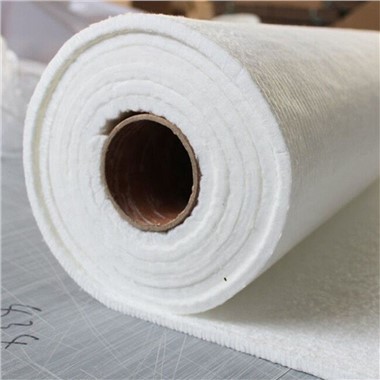
Aerogel insulation offers extremely low thermal conductivity and high hydrophobic performance. Its thin profile allows high thermal efficiency with reduced thickness. This makes it suitable for space-limited installations and offshore platforms where weight reduction is important.
Aerogel blankets are flexible and can be easily installed around complex pipeline geometries.
How to Select the Best Insulation Solution
Selecting the best insulation for oil and gas pipelines depends on several factors:
Operating temperature range
Environmental conditions (onshore or offshore)
Risk of corrosion under insulation
Available installation space
Maintenance requirements
Budget considerations
For high-performance applications where long-term reliability and space efficiency are priorities, advanced materials such as aerogel insulation may provide better lifecycle value compared to traditional materials.
Conclusion
The best insulation solution for oil and gas pipelines depends on operational and environmental requirements. Materials such as mineral wool, calcium silicate, polyurethane foam, and aerogel each serve specific applications.
An effective insulation system reduces heat loss, protects equipment, prevents corrosion, and improves overall operational efficiency. Careful material selection ensures long-term performance and lower maintenance costs in demanding oil and gas environments.